


Jewelry Stores That Finance
Jewelry stores that finance can make a larger engagement ring, wedding band, gold chain, or fine-jewelry purchase easier to plan. The hard part is that every store uses different language. One jeweler may offer a store credit card, another may route shoppers to a third-party lender, another may advertise buy now pay later, and another may use lease-style financing. Monetary Jewelers offers the MJC Card, an in-house revolving credit account for eligible jewelry purchases of $1,500 or more. The MJC Card uses application-based eligibility, 34% down, 19.90% APR, a fixed minimum-payment formula, no prepayment penalty, and payment activity is reported monthly to credit bureaus.

What to look for in jewelry stores that finance
The right jewelry store financing option should be understandable before you apply. Do not compare only the monthly payment. Compare the product type, total cost, down payment, APR or fees, payoff flexibility, reporting behavior, and what happens if you are late. A low advertised payment is not useful if the agreement hides ownership timing, deferred-interest risk, or unclear fees.
| The comparison checklist |
| 01 | Is the offer store credit, a personal loan, BNPL, lease-to-own, or a revolving account? |
| 02 | What purchase amount qualifies? |
| 03 | How much is required down? |
| 04 | What APR or fee structure applies after checkout? |
| 05 | How is the minimum monthly payment calculated? |
| 06 | Can you pay early without a prepayment penalty? |
| 07 | Does the account report payment activity monthly to credit bureaus? |
| 08 | Is approval clearly described as conditional rather than guaranteed? |
How Monetary Jewelers financing works
Monetary Jewelers is a jewelry store with in-house financing through the MJC Card. The account is for Monetary Jewelers purchases, not general cash use, and it is not a personal loan or lease-to-own contract. The terms are designed to be clear at the point of comparison:
|
Down payment 34% Due at checkout |
APR 19.90% On any carried balance |
Minimum monthly $50 or 7% Of the original amount financed, whichever is greater |
| — | Eligible purchases start at $1,500 |
| — | No prepayment penalty |
| — | Payment activity is reported monthly to credit bureaus |
| — | Approval is not guaranteed |
This structure matters because a shopper can compare Monetary Jewelers against other jewelry stores with financing using the same questions: how much is due today, what is financed, how payments are calculated, whether the account reports, and whether paying early is allowed.
Payment examples at common jewelry prices
The MJC Card requires 34% down. The financed amount is the purchase price minus the down payment, and the minimum monthly payment is the greater of $50 or 7% of the original amount financed. Examples:
| What it costs per month |
Purchase price
| $500 | $25,000 |
MJC Card financing starts at $1,500. Below that, this is a straight purchase — no down payment and no interest.
| Due today34% down payment | $850.00 |
| Amount financed | $1,650.00 |
| Paid off inMaking the minimum payment | 17 months |
| Total interest19.90% APR on the carried balance | $248.90 |
| Minimum monthly payment | $115.50 |
| Minimum monthly payment is the greater of $50 or 7% of the original amount financed. Estimates for planning only; eligibility is application-based and approval is not guaranteed. |
Interest accrues at 19.90% APR on any carried balance. There is no prepayment penalty, so paying more than the minimum can reduce total interest and shorten the payoff timeline. For the full hub, see jewelry financing. For ring-specific shopping, see engagement ring financing.
Shop finance-eligible jewelry
MJC Card eligibility can be considered for qualifying jewelry purchases of $1,500 or more. These product rails are filtered to show pieces above that minimum:
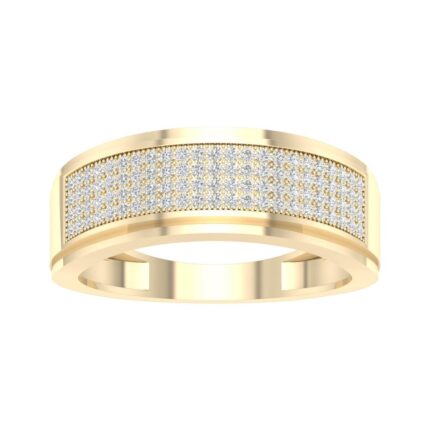
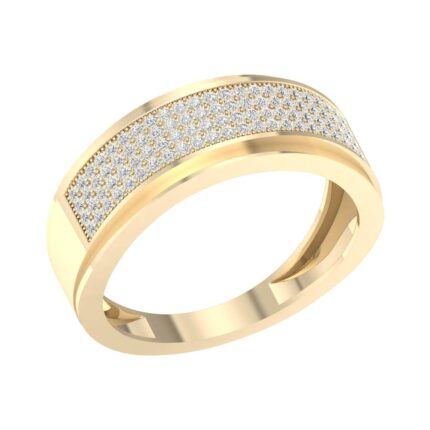
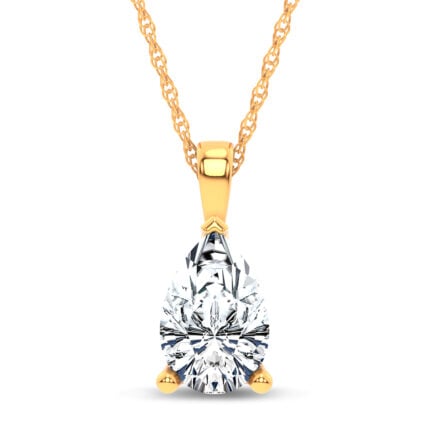
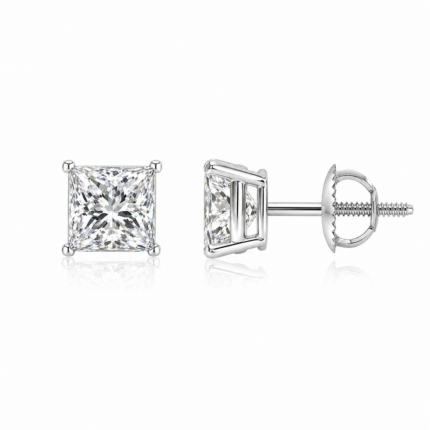
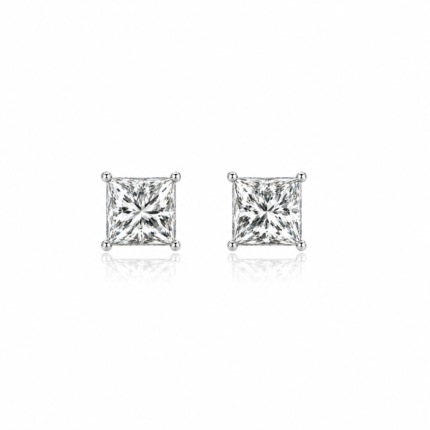
Lab Grown Princess Cut Diamond Solitaire Stud Earrings
Lab Grown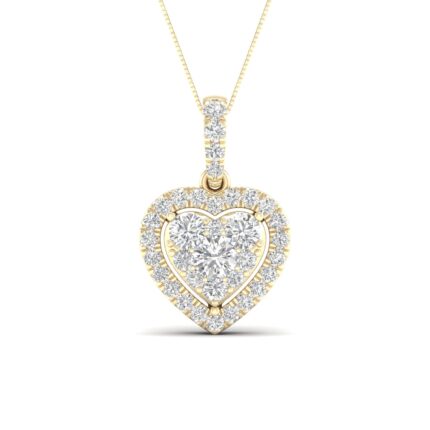
Browse by category: engagement and wedding rings, fine jewelry rings, necklaces and pendants, bracelets, earrings, and men’s jewelry.
In-house financing vs. third-party financing
| Four ways stores finance |
| Type | Who sets the terms | Reports on-time | Pay off early |
|---|---|---|---|
| In-houseMJC Card | The store itself | Monthly | No penalty |
| Third-partyStore-card partners, personal loans | The provider | Varies | Varies |
| PromotionalDeferred-interest offers | The provider | Varies | Yes — and the window matters |
| BNPLShort-term instalment plans | The app | Usually not | Varies |
| Reporting and payoff behaviour differ by provider even within a category. Confirm with the lender before you sign. |
In-house financing
The jewelry store is directly involved in the account or financing relationship. The advantage is fit: the financing is built around the jewelry purchase, not a general-purpose cash loan. The MJC Card is an in-house Monetary Jewelers account for jewelry purchases. Stores built around this model are often called credit jewelers — see what a credit jeweler is and how these accounts report.
Third-party financing
Can include BNPL apps, lease-to-own providers, store-card partners, and personal-loan lenders. These can work for some shoppers, but the terms are controlled by the provider. Review the application impact, reporting behavior, and total cost before you choose.
Promotional financing
Can be attractive when the promotion is real and you can pay within the promotional window. The risk is deferred interest or a missed deadline that changes the cost. If you are comparing promotions, read the deferred-interest jewelry financing guide.
BNPL for jewelry
May be simple for smaller purchases, but short-term plans vary in reporting and payoff rules. For that comparison, see buy now pay later jewelry. For lease-style offers, see lease-to-own jewelry.
The no-credit-check store scorecard
Not every store that advertises “no credit check” is offering you the same deal. The phrase describes how you apply — it says nothing about what the financing costs or whether it helps your credit. Before you sign anything, score the offer on four things:
| 01 | The credit pull. Is there a hard inquiry at any stage — including a “soft check” that converts to a hard pull at checkout? |
| 02 | Bureau reporting. Does the program report your on-time payments to the bureaus, or only report you when you fall behind? Many buy-now-pay-later and lease-to-own plans do neither. |
| 03 | Total cost of ownership. Compare the all-in payoff to the sticker price, not just the monthly. Lease-to-own agreements commonly run close to twice the cash price by the end of the term. |
| 04 | The exit. Can you pay off early to save interest without a penalty, or does the structure punish waiting? |
A program that reports on-time payments and lets you pay off early — like the MJC Card — is doing something a lease or a short BNPL plan usually can’t: turning a jewelry purchase into a credit-building record.
Five questions to ask before you finance in-store
Take these to the counter, or to the chat window. Each one has a short, factual answer, and a lender that reports payments and lets you pay early can give all five without hedging.
| Ask these five |
| 01 | What’s due today, all in? |
| 02 | What’s the total cost if I pay it off on the normal schedule — and how does that compare to the sticker price? |
| 03 | Is there a hard inquiry at any point in this application? |
| 04 | Do you report my on-time payments to the credit bureaus every month? |
| 05 | Is there any penalty or added cost if I pay the balance off early? |
| If a salesperson can’t answer these plainly, treat that as your answer. |
Jewelry stores that finance near me or online
Searches for “jewelry stores that finance near me” and “jewelry stores with financing online” usually come from the same need: the shopper has found a piece they want and needs a payment path that is clear. Local stores may offer personal relationships and in-person guidance. Online jewelry stores may offer more inventory and faster comparison. Either way, the financing terms are what decide whether the offer fits.
Monetary Jewelers lets shoppers browse online and apply for the MJC Card through the same site. If approved, the MJC Card can be used for eligible Monetary Jewelers purchases with the terms listed above. If your search is specifically about credit-check wording, use the companion page on no credit check jewelry financing for safer definitions and comparisons.
When the MJC Card may fit
The MJC Card may fit shoppers who want a jewelry-store financing account with known terms, monthly payment reporting, and no prepayment penalty. It may also fit shoppers comparing jewelry stores that finance because the down payment, APR, and minimum payment formula are stated up front.
It will not fit every shopper. The purchase must meet the $1,500 eligibility minimum, 34% down is required, interest applies to carried balances, and approval is not guaranteed. The best next step is to compare the jewelry you want, the down payment you can make, and the payoff pace you can sustain. If another store advertises “guaranteed approval,” read what guaranteed jewelry financing really means before relying on it.
Getting Started Is Easy
|
💎
1. Browse & Choose Explore engagement rings, men’s wedding bands, wedding bands, earrings, and necklaces at monetaryjewelers.com. |
✍️
2. Apply for the MJC Card Quick application — about 5 minutes. Designed for most credit profiles. $1,500 minimum purchase. See mjccard.com for full eligibility and disclosures. |
|
💳
3. Make Your Purchase Pay 34% down, then set up monthly payments. Autopay or manual — the minimum monthly payment is fixed at $50/mo or 7% of your original amount financed, whichever is greater. |
📈
4. Build Your Credit History Your payment activity is reported to major credit bureaus every month. On-time payments can help build your credit history over time. See which jewelry financing reports to the credit bureaus. |
Frequently asked questions
Does Monetary Jewelers finance jewelry?
Yes. Monetary Jewelers offers MJC Card financing for eligible jewelry purchases of $1,500 or more. The MJC Card is an in-house revolving credit account for Monetary Jewelers purchases.
What are the MJC Card terms?
The MJC Card uses application-based eligibility, 34% down, 19.90% APR, and a minimum monthly payment of $50 or 7% of the original amount financed, whichever is greater. There is no prepayment penalty.
Is every application approved?
No. Approval is not guaranteed. Eligibility is application-based, so shoppers should review the terms before applying.
Does the MJC Card report payments?
Yes. MJC Card payment activity is reported monthly to credit bureaus. On-time payments can support payment history over time, while late payments can hurt it. No credit-score outcome can be promised.
What is the minimum purchase for MJC Card financing?
The minimum eligible jewelry purchase for MJC Card financing is $1,500.
Can I pay off MJC Card financing early?
Yes. The MJC Card has no prepayment penalty. Paying more than the minimum can reduce total interest and shorten the payoff timeline.
The MJC Card
Terms you can compare before you apply.
34% down, 19.90% APR, and a fixed minimum payment — stated up front, not buried in an agreement. Payment activity is reported monthly to the credit bureaus.
Eligible purchases of $1,500 or more. 34% down, 19.90% APR, minimum monthly payment of $50 or 7% of the original amount financed, whichever is greater. Eligibility is application-based and approval is not guaranteed. Late payments are reported and can harm your credit.
Estimate your payments with our engagement ring monthly payments calculator.