


Blog
What Is a Credit Jeweler? Buy Jewelry & Build Credit

A credit jeweler is a jewelry store that extends its own in-house credit, so you can take the piece home on a payment plan instead of paying the full price up front. The version worth seeking out does one more thing: it reports your payments to the credit bureaus, so the purchase you were already going to make can also build your credit history.
That second part is where the confusion lives. Search “credit jewelers” and the results are mostly local shops that happen to have the word in their name, plus a few financing pages that promise easy approval and stop there — almost none explain what buying jewelry “on credit” actually does to your credit file. This page covers the concept: what a credit jeweler is, the different ways a store can let you buy on credit, and how to tell whether a given option will leave your credit file better than it found it.
What “credit jeweler” actually means
The phrase gets used two ways. One is a brand name: a handful of local stores are literally called “Credit Jewelers” or “Credit Jewelry,” and if you’re looking for one of those shops, you want their address, not this page.
The other is a store category, and that’s the useful definition: a credit jeweler is any jeweler that finances purchases through credit it controls itself, rather than handing you off to a third-party lender at checkout. The store underwrites you, carries the balance, and decides whether your payment history gets reported to the bureaus.
That last decision is the whole ballgame. One jeweler can let you buy on credit without any of those payments touching your credit report; another can structure the same purchase as a real, reportable account. Same ring, same monthly payment, completely different outcome for your credit.
Four ways to buy jewelry on credit (and what each does to your credit file)
“Buy on credit” is an umbrella over at least four different products that behave very differently once the purchase is done, so the category matters more than the marketing on any checkout button.
| How you buy on credit | Credit check to apply? | Down payment | Reports to which bureaus | Payment-reporting cadence | Best for |
|---|---|---|---|---|---|
| In-house credit jeweler (MJC Card) | No credit check financing | 34% down standard | Credit bureaus | Monthly | Buyers who want the purchase to build credit history |
| BNPL (Affirm, Klarna, Afterpay) | Soft pull typical for short plans | Often first installment due at checkout | Varies by product; most short Pay-in-4 plans report to none | Inconsistent; many plans never report on-time payments | Splitting a smaller purchase over a few weeks |
| Lease-to-own | Application-based eligibility, often no hard pull | First lease payment up front | Typically none | Usually doesn’t report on-time payments | Approval when other options decline you, if you accept higher total cost |
| General-purpose store card | Hard credit pull at application | Usually none | All three, via the issuing bank | Monthly | Shoppers with established credit who clear the hard-pull bar |
Two columns are the ones competitors almost never put in writing: whether applying triggers a hard credit pull, and who the payments get reported to. A financing page can shout “easy approval” all day without answering either. Those two answers decide whether buying on credit helps your score, does nothing, or quietly costs you a hard inquiry for an account that never reports.
The short read: BNPL is the easiest to start and the lightest reporter, so its credit-building benefit is usually zero even when you pay perfectly. Lease-to-own isn’t really credit in the reporting sense — it’s a rental with a buyout, and the total you pay typically runs well above the cash price. General-purpose store cards do report payment activity monthly to credit bureaus, but they generally require a hard credit pull to apply, so a thin or bruised file can get declined before the card helps. An in-house credit jeweler is a structure that can pair no credit check financing with monthly payment-activity reporting to credit bureaus — the combination the MJC Card is built around.
For the full breakdown of which jewelers offer financing and where to apply, see the jewelry stores that finance page. This page is about the concept; that one is the shopping list.
How buying on credit builds credit: a worked example
Credit bureaus build your history out of one input — information lenders send them. A payment that never gets reported never existed for scoring purposes, no matter how on-time it was. So “building credit by buying jewelry” comes down to a single mechanic: the account has to be real credit, in your name, that gets reported.
Here’s how that looks with the MJC Card. Say you pick a $2,000 engagement ring from the shop. The MJC Card uses a standard 34% down payment, so you put $680 down and finance the remaining $1,320. The minimum monthly payment is fixed at the greater of $50 or 7% of the original amount financed. Seven percent of $1,320 is $92.40, which clears the $50 floor, so your minimum is $92.40 a month. The balance is revolving at 19.90% APR, with no set payoff period and no prepayment penalty, so paying more than the minimum reduces your total interest and shortens the payoff.
That payment activity is reported monthly to credit bureaus. The ring is yours from day one, and the financing that paid for it is also working on your credit file.
The math scales the same way at any price. On a $1,550 ring with 34% down, you’d put $527 down, finance $1,023, and your fixed minimum would be 7% of $1,023, or about $71.61 a month — again above the $50 floor. Only the dollar amounts move; the 34%-down and 7%/$50 rules stay constant.
This is a different shape than splitting the same ring into four BNPL installments, which clears the purchase fast and usually reports nothing. If you want the purchase to count toward your credit history, the reporting is the entire point. The mechanics of how that monthly reporting turns into score history are covered in does jewelry financing build credit.
Educational note: None of this guarantees approval or a specific score change. Credit outcomes depend on the rest of your file, and the MJC Card is subject to its cardholder agreement.
How to tell a real credit-builder from a “buy now” button
Four questions sort the credit-builders from the rest. You can usually answer all four from a financing page in a couple of minutes — and if the page won’t answer one, treat the silence as the answer.
- Does applying require a hard credit pull? A hard inquiry stays on your report for two years, though it typically only affects your FICO score for about the first year. No-credit-check, soft-pull, and hard-pull applications are three different things. The MJC Card application involves no credit check. If credit isn’t a barrier for you, you can compare structures on the no credit check jewelry financing page.
- Is it a real credit account in your name? Leases and in-store balances often never become formal accounts under your Social Security number, and accounts that don’t exist can’t build credit.
- Does it report on-time payments — and to how many bureaus? “We report to the bureaus” should mean on-time payments, monthly, not just problems. The MJC Card reports payment activity monthly to credit bureaus.
- What’s the real cost? Down payment, APR, and the minimum-payment rule, in writing. A fixed minimum — the greater of $50 or 7% of the original amount financed — is easier to plan around than a number that moves on you.
Run any financing offer through those four and the marketing copy stops mattering. For a wider look at how these structures stack up by total cost, the jewelry financing hub lays them out side by side.
Where Monetary Jewelers fits
Monetary Jewelers is a credit jeweler in the full sense: the MJC Card is in-house revolving credit the store issues itself, there’s no credit check financing, the standard down payment is 34%, the rate is 19.90% APR with no prepayment penalty, and payment activity is reported monthly to credit bureaus. See the terms and start an application on the Build Your Credit page, then pick a piece from the shop once you know your numbers.
Shop jewelry with MJC Card financing
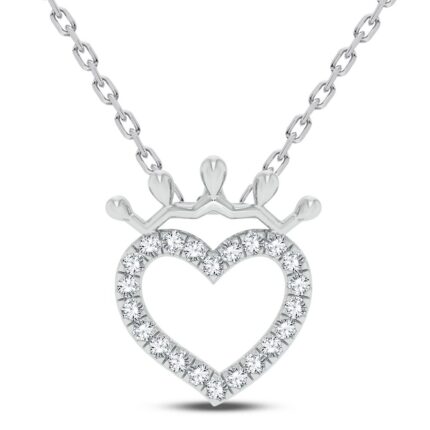
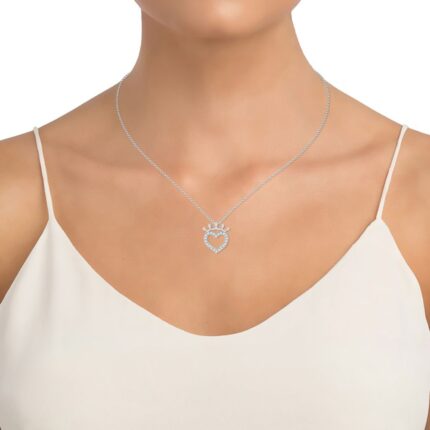
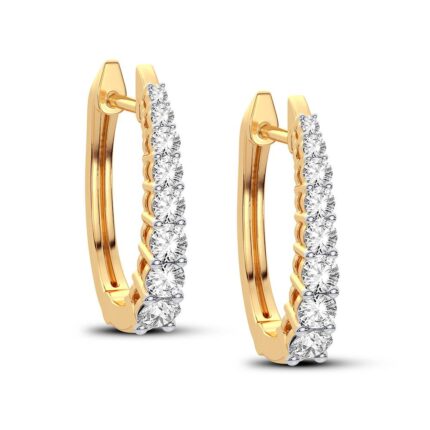
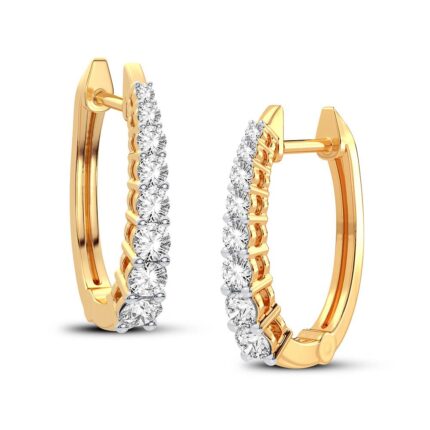
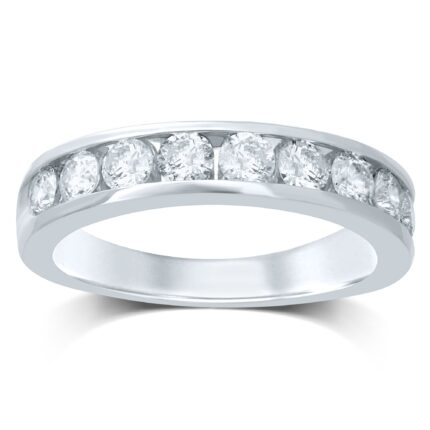
Use the product rail below to compare current jewelry, then review the MJC Card agreement before applying. Current terms include 34% down, 19.90% APR, and a minimum monthly payment equal to the greater of $50 or 7% of the original amount financed. Payment activity is reported monthly to credit bureaus, and we never pull your credit. Approval is not guaranteed.
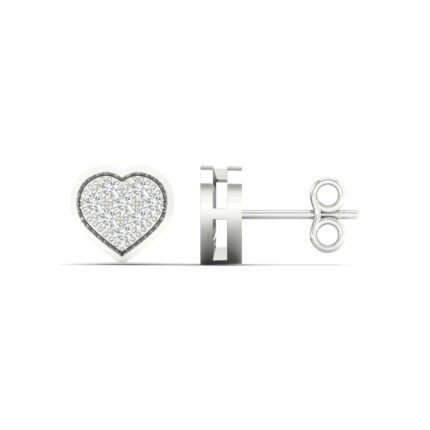
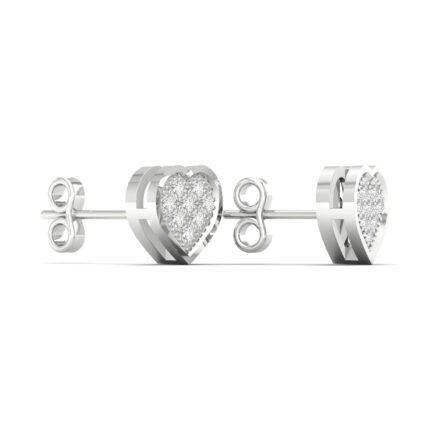
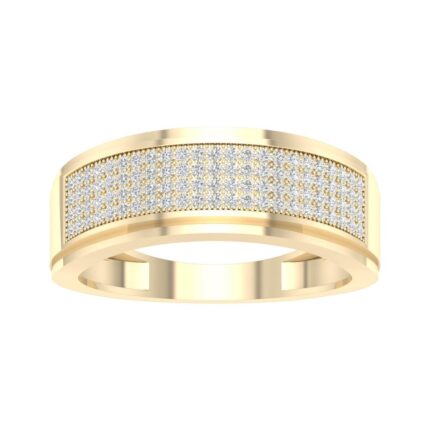
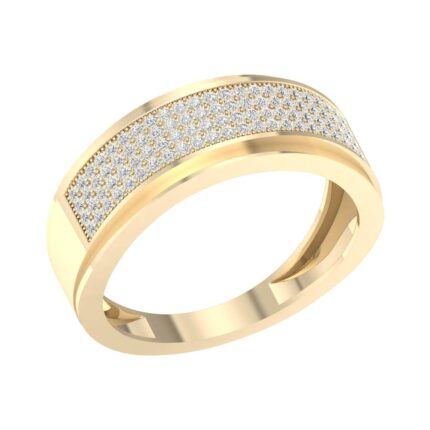
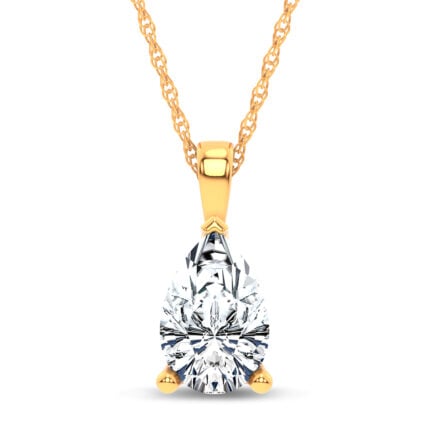
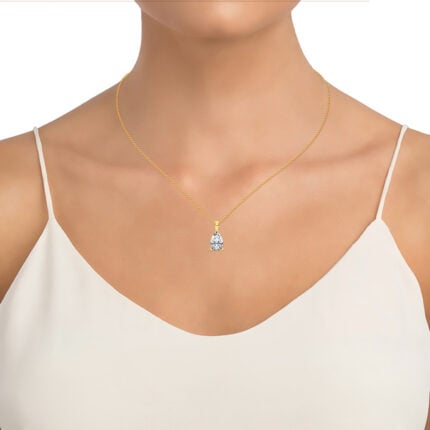
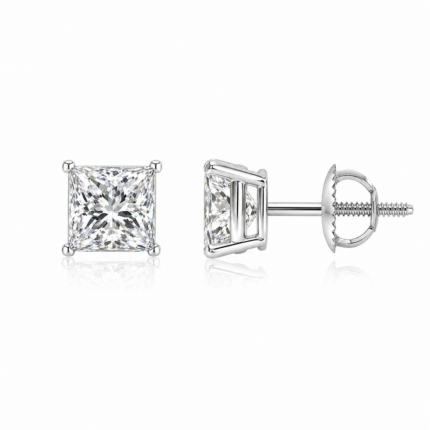
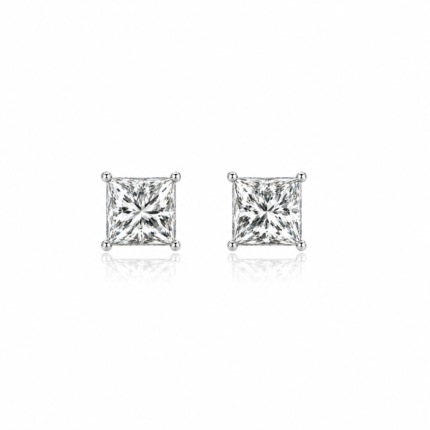
Lab Grown Princess Cut Diamond Solitaire Stud Earrings
Lab Grown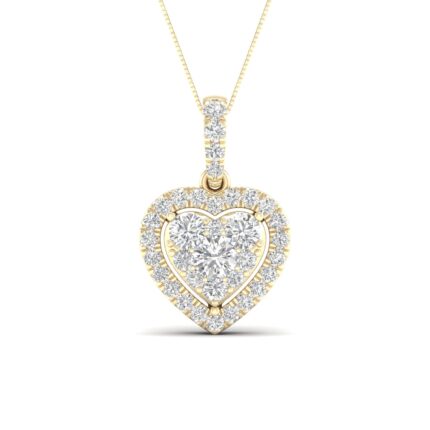
Review MJC Card financing details Browse the full jewelry catalog
Frequently asked questions
What is a credit jeweler?
A credit jeweler is a jewelry store that finances purchases through its own in-house credit rather than sending you to a third-party lender at checkout. The store underwrites the account, carries the balance, and decides whether your payments are reported to the credit bureaus. The most useful credit jewelers report on-time payments, so the purchase can build your credit history.
Can you buy jewelry on credit and build credit at the same time?
Yes, but only if the financing is a real credit account in your name that reports your payments to the bureaus. Many ways to “buy on credit” — most short BNPL plans and most lease-to-own contracts — don’t report on-time payments, so they don’t build credit. The MJC Card from Monetary Jewelers is in-house revolving credit that reports payment activity monthly to credit bureaus.
Do you need good credit to buy from a credit jeweler?
It depends on the structure. General-purpose store cards usually require a hard credit pull and can decline a thin or damaged file. The MJC Card application involves no credit check. Approval is still subject to the cardholder agreement and is not guaranteed.
Is “credit jeweler” the same as a store that offers BNPL?
Not quite. BNPL (Affirm, Klarna, Afterpay) is third-party financing offered at checkout, and most short plans don’t report on-time payments. A credit jeweler extends credit it controls itself, which is what makes monthly bureau reporting possible. A store can offer BNPL and still not be a credit jeweler in the in-house sense.
How much do you put down to buy jewelry on credit?
It varies by product. The MJC Card uses a standard 34% down payment. On a $2,000 ring that’s $680 down, leaving $1,320 financed at 19.90% APR, with a fixed minimum payment of $92.40 a month (the greater of $50 or 7% of the amount financed). Other structures, like store cards, often require no down payment but run a hard credit pull instead.
Buying with less-than-perfect credit? See our picks for the best engagement rings for bad credit.